Cosmetics OEM MOQ and Pricing: New Brand Budget Guide for 2026
Launching a cosmetics brand in 2026 requires a clear understanding of manufacturing costs, especially when working with OEM/ODM suppliers. The two most critical factors that determine your initial investment are minimum order quantity (MOQ) and unit pricing. For new brands, navigating cosmetics OEM MOQ and pricing new brand budget 2026 can be overwhelming, but with the right knowledge, you can set a realistic budget and avoid costly mistakes. This guide breaks down everything you need to know—from typical MOQ ranges to hidden fees—so you can negotiate confidently with suppliers and bring your product to market efficiently.
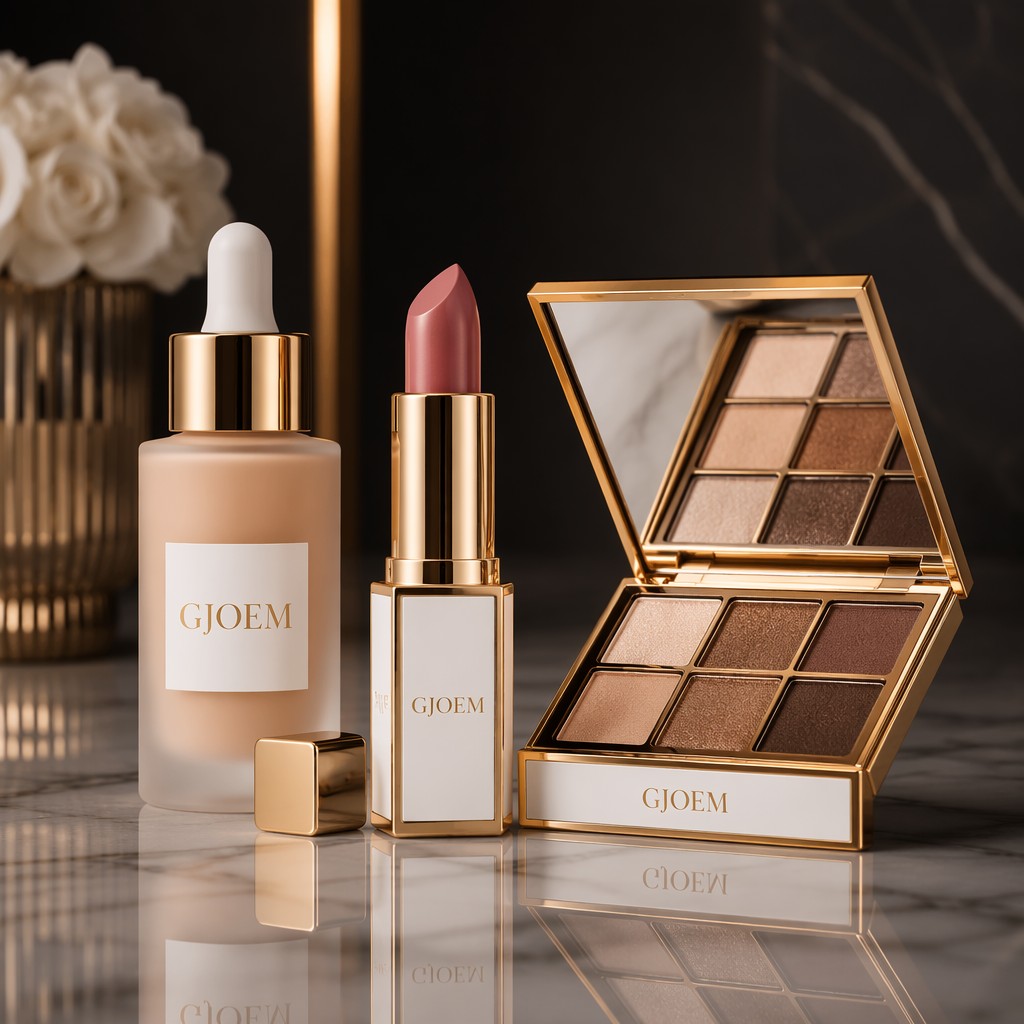
At wwoem, a China-based cosmetics OEM/ODM manufacturer, we work with startups and established brands worldwide. We've seen firsthand how MOQ and pricing structures impact a new brand's success. Whether you're launching a skincare line, perfume collection, or makeup range, this article will help you plan your 2026 budget with precision.
Key Factors Influencing Cosmetics OEM MOQ and Pricing
MOQ and pricing are not arbitrary numbers—they're driven by production economics, material costs, and customization levels. Understanding these factors helps you anticipate costs and negotiate better terms.
1. Product Type and Complexity
Different product categories have different baseline MOQs. For example:
- Skincare (creams, serums): MOQs often range from 1,000 to 5,000 units per SKU.
- Makeup (lipsticks, foundations): MOQs typically start at 3,000 to 10,000 units due to complex packaging and filling processes.
- Perfume: MOQs can be as low as 500 to 2,000 units for standard bottles, but custom molds increase MOQ to 10,000+.
- Personal care (shampoo, lotion): MOQs range from 2,000 to 5,000 units.
Complex formulations with active ingredients or custom textures may require higher MOQs to justify production runs.
2. Packaging and Customization
Packaging is a major cost driver. Stock packaging (standard jars, bottles) lowers MOQ and unit price. Custom packaging—unique shapes, colors, or decorations—requires molds and printing plates, pushing MOQ to 10,000 units or more. For new brands, starting with stock packaging is a smart way to keep initial MOQ and costs manageable.
3. Formulation and Ingredients
Off-the-shelf formulations (ODM) have lower MOQs and faster lead times. Custom formulations (OEM) require R&D, stability testing, and safety assessments, increasing both MOQ and price. If you want a unique product, expect MOQs of at least 5,000 units per SKU.
4. Certifications and Compliance
Suppliers with ISO 22716, GMP, and FDA registrations may charge slightly more but ensure your products meet global standards. These certifications reduce legal risks and are essential for selling in the US, EU, and other regulated markets. Always factor certification costs into your budget.
5. Order Volume and Payment Terms
Larger orders reduce unit price through economies of scale. Most manufacturers offer tiered pricing: the higher the quantity, the lower the unit cost. Payment terms also matter—30% deposit and 70% before shipment is standard, but some suppliers offer more flexible terms for repeat orders.
Typical MOQ and Pricing Ranges for 2026
Based on current market data, here are estimated MOQ and unit price ranges for common cosmetics categories. Note that these are averages; actual quotes depend on your specific requirements.
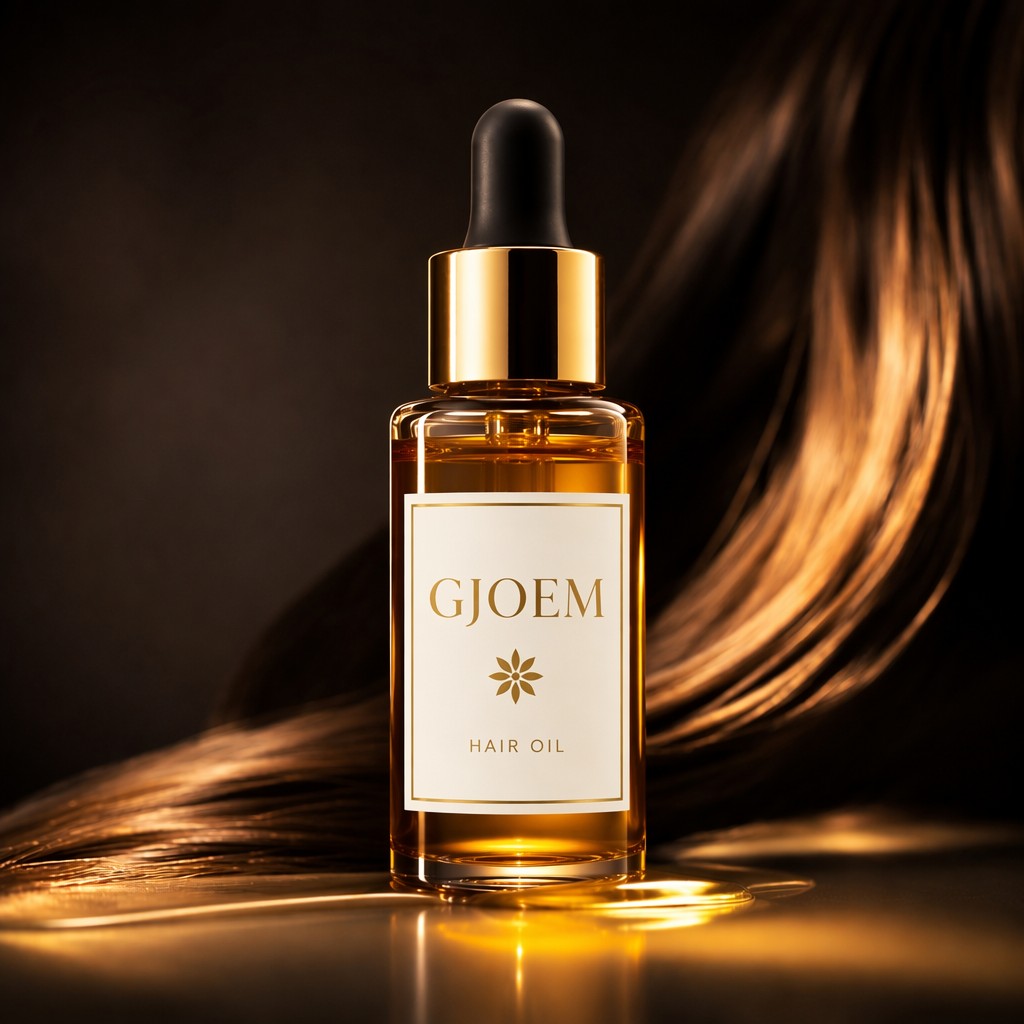
| Product Category | Typical MOQ (units) | Estimated Unit Price (USD) | Lead Time (days) |
|---|---|---|---|
| Skincare Cream (50ml) | 1,000 – 3,000 | $1.50 – $4.00 | 30 – 45 |
| Serum (30ml) | 1,000 – 3,000 | $2.00 – $5.00 | 35 – 50 |
| Lipstick | 3,000 – 10,000 | $0.80 – $2.50 | 40 – 60 |
| Foundation (30ml) | 3,000 – 10,000 | $1.50 – $3.50 | 45 – 65 |
| Perfume (50ml) | 500 – 2,000 | $3.00 – $8.00 | 30 – 50 |
| Shampoo (250ml) | 2,000 – 5,000 | $1.00 – $2.50 | 25 – 40 |
These figures are indicative and can vary based on formulation, packaging, and supplier location. For a precise quote tailored to your project, Contact Us directly.
How to Choose the Right OEM/ODM Partner for Your Budget
Selecting a manufacturer is not just about price—it's about finding a partner who understands your brand vision and can scale with you. Here's what to evaluate:
1. MOQ Flexibility
Some suppliers rigidly enforce high MOQs; others offer lower MOQs for startups. Look for manufacturers that provide tiered MOQs—starting low and increasing as you grow. wwoem, for example, offers flexible MOQs for new brands, with options as low as 500 units for certain products.
2. Transparent Pricing
Request a detailed breakdown of costs: formulation, packaging, filling, labeling, and testing. Hidden fees can blow your budget. A reputable supplier will provide a clear quote with no surprises.
3. Certifications and Quality Assurance
Ensure the manufacturer holds ISO 22716, GMP, and FDA certifications. These guarantee that your products are produced in a controlled environment and meet safety standards. Ask for test reports and samples before committing.
4. Communication and Support
Responsive communication is crucial, especially for international buyers. A supplier who answers questions promptly and provides guidance on formulations and regulations will save you time and money.
5. Scalability
Your chosen partner should be able to handle increased order volumes as your brand grows. Discuss future capacity and whether they can accommodate larger runs without compromising quality.
For more insights on selecting a manufacturer, visit our Knowledge Center.
Common Mistakes New Brands Make with MOQ and Pricing
Avoid these pitfalls to keep your 2026 budget on track:
- Underestimating total costs: MOQ and unit price are only part of the equation. Factor in shipping, import duties, testing, and marketing.
- Choosing the lowest price: Extremely low quotes often signal poor quality or hidden fees. Balance cost with quality and reliability.
- Ignoring lead times: Long lead times can delay your launch. Always confirm production and shipping schedules.
- Not ordering samples: Never commit to a large order without testing samples. This is non-negotiable.
- Over-customizing initially: Custom formulations and packaging increase MOQ and cost. Start with stock options and customize later.
Questions to Ask Your OEM/ODM Supplier
Before signing a contract, ask these questions to ensure alignment:
- What is your MOQ for my specific product and packaging?
- Can you provide a detailed price breakdown, including all fees?
- What certifications do you hold (ISO 22716, GMP, FDA)?
- What is your typical lead time from order to delivery?
- Do you offer formulation development, or must I provide my own?
- What are your payment terms?
- Can you handle scaling up production as my brand grows?
- What is your policy on defective products?
- Do you provide regulatory support for my target markets?
- Can you share references from other new brands you've worked with?
Asking these questions upfront will help you avoid misunderstandings and build a strong partnership.
Conclusion
Planning your cosmetics OEM MOQ and pricing new brand budget 2026 doesn't have to be a guessing game. By understanding the factors that influence MOQ and pricing, knowing typical ranges, and choosing a reliable partner, you can set a realistic budget and launch successfully. Remember that the cheapest option isn't always the best—quality, certifications, and support are worth the investment. Start with flexible MOQs, stock packaging, and a manufacturer who understands your vision. With careful planning, your new cosmetics brand can thrive in 2026 and beyond.
Ready to get a personalized quote? Contact Us today and let wwoem help you bring your product to life.
Ready to Start Your wwoem Project?
Get a free quote within 24 hours. Low MOQ, global shipping, ISO 22716 certified.
Get Free Quote